
Attention Practices #1

This week I taught a workshop called ‘Writing Without Bannisters’, for a storytelling festival at King’s College, a riff on Hannah Arendt’s idea of thinking without bannisters, basically another chance to bang on about the power of attention as a practice. The informal feedback afterwards: ‘I thought I was observant until they told me to write about something I’d seen earlier that day.’ Naturally observant people are useful to the social fabric: they know where the fire exits are, and they’ll give a better witness statement than someone who was away with the fairies, thinking about last week, or last year, or something somebody said yesterday. But being observant isn’t quite the point. Natural curiosity helps, but attention is a muscle that has to be drawn to the surface of consciousness. Noticing that we notice. Noticing, even, that we think of ourselves as observant.
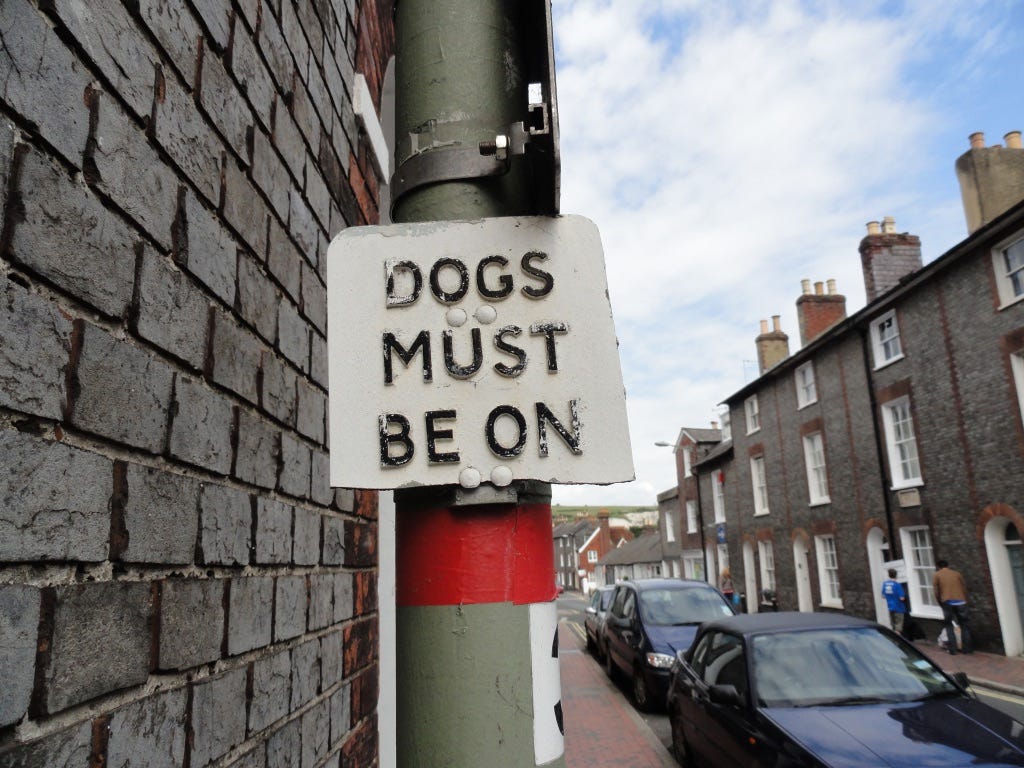
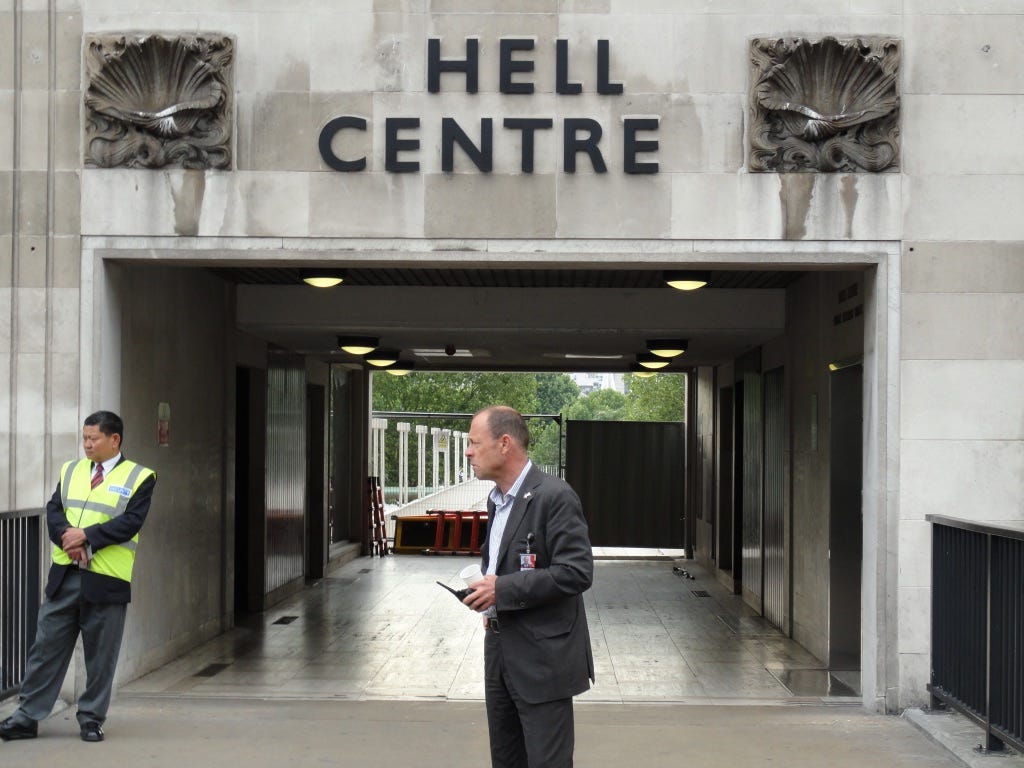
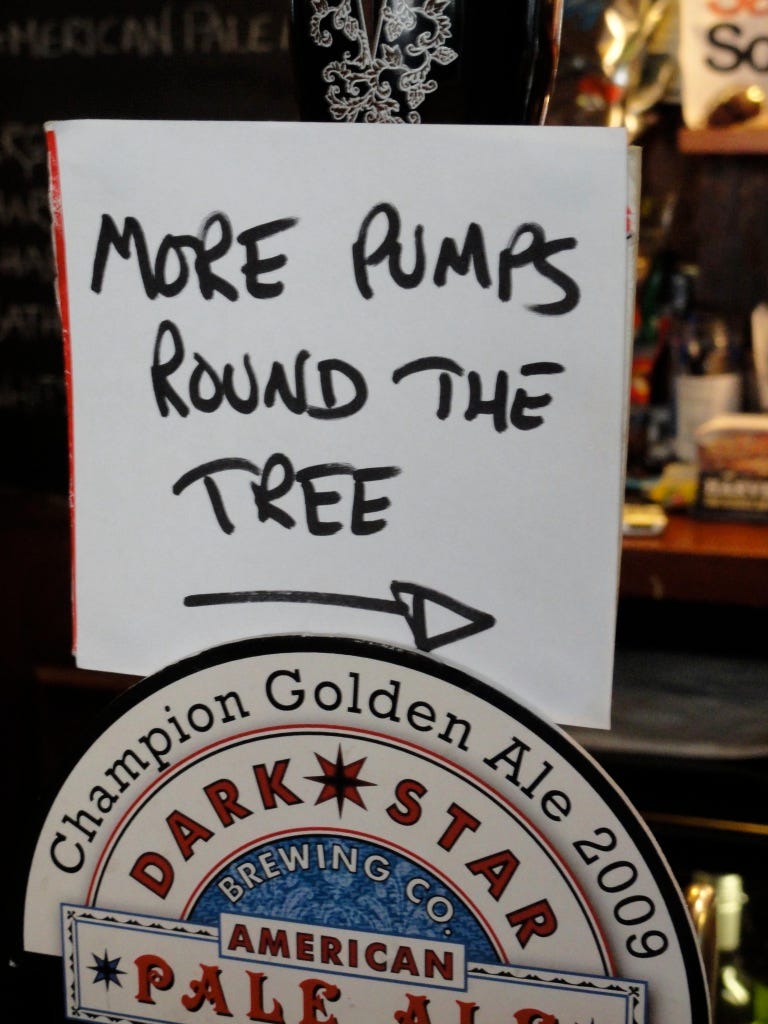
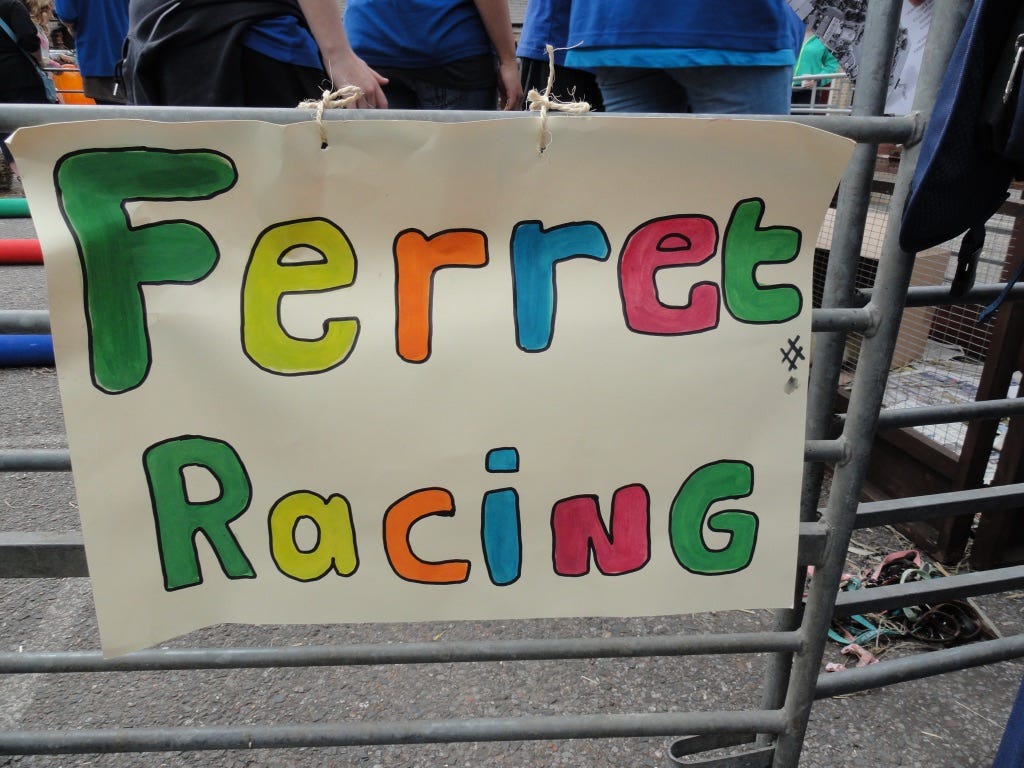
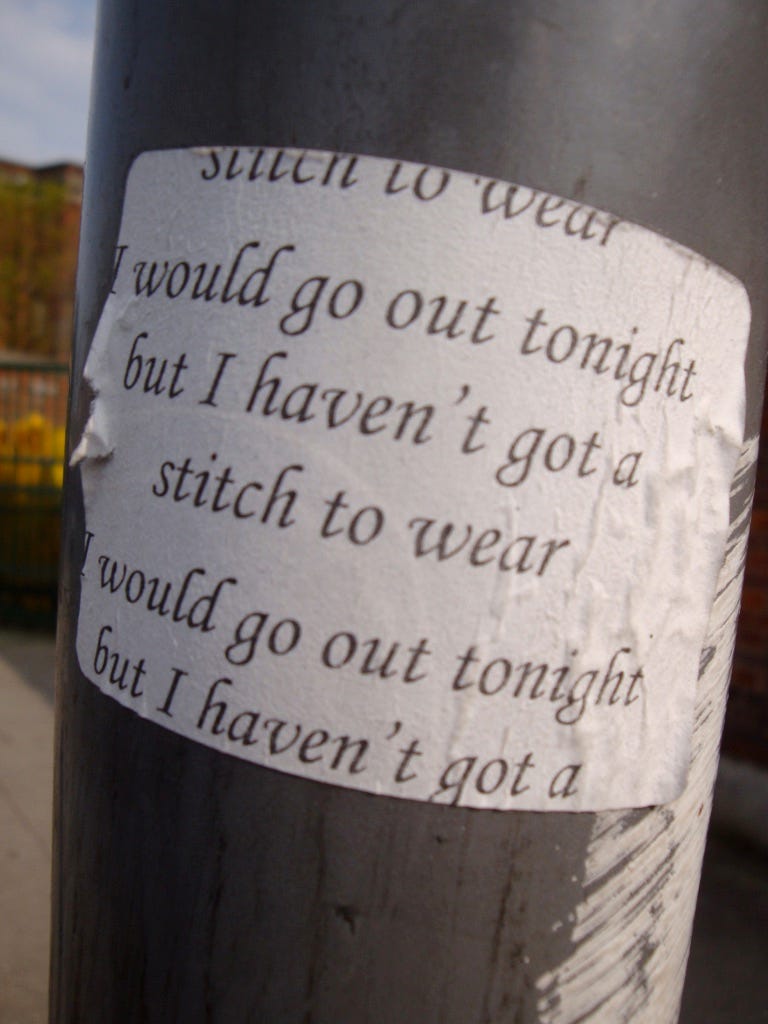
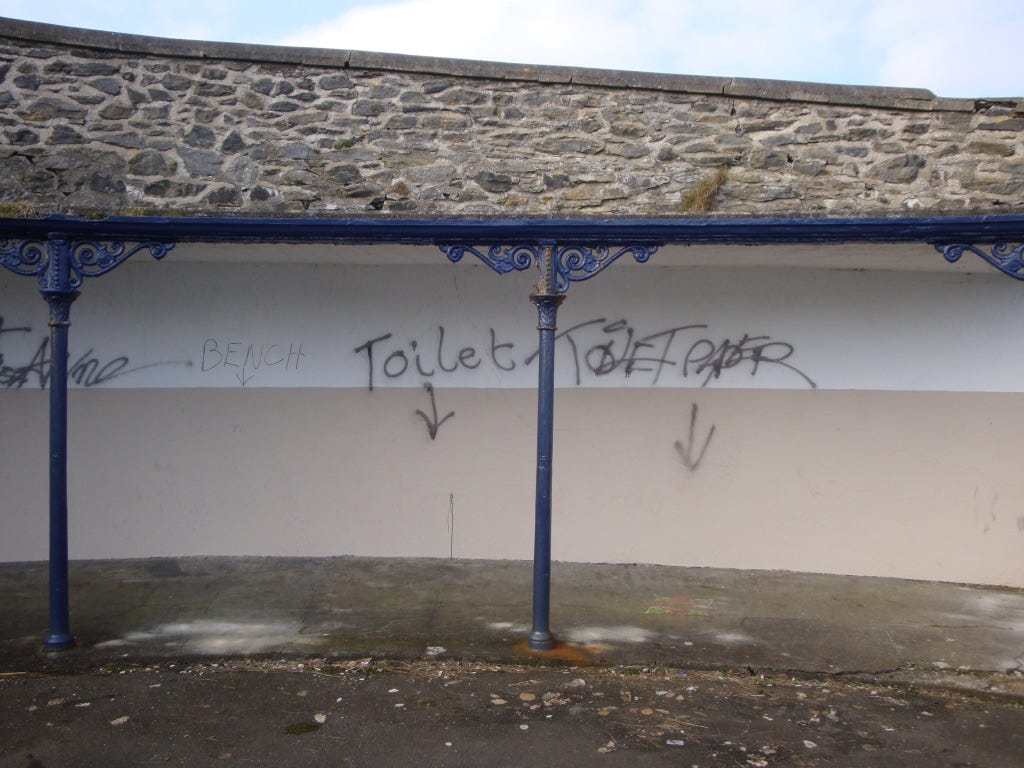
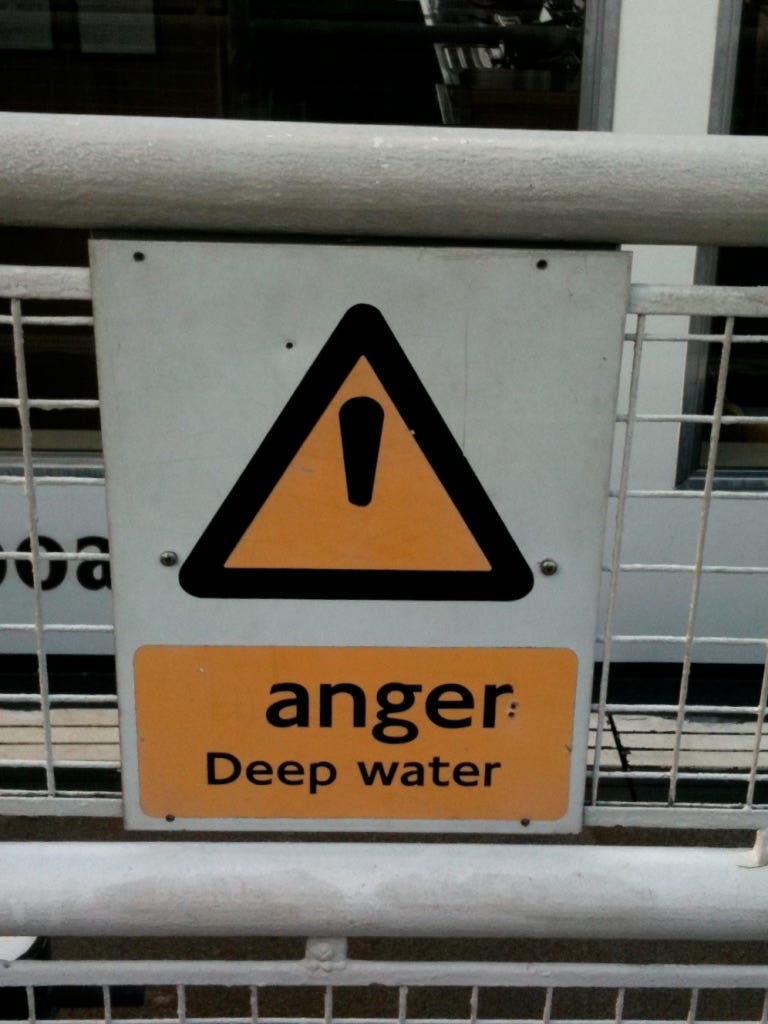
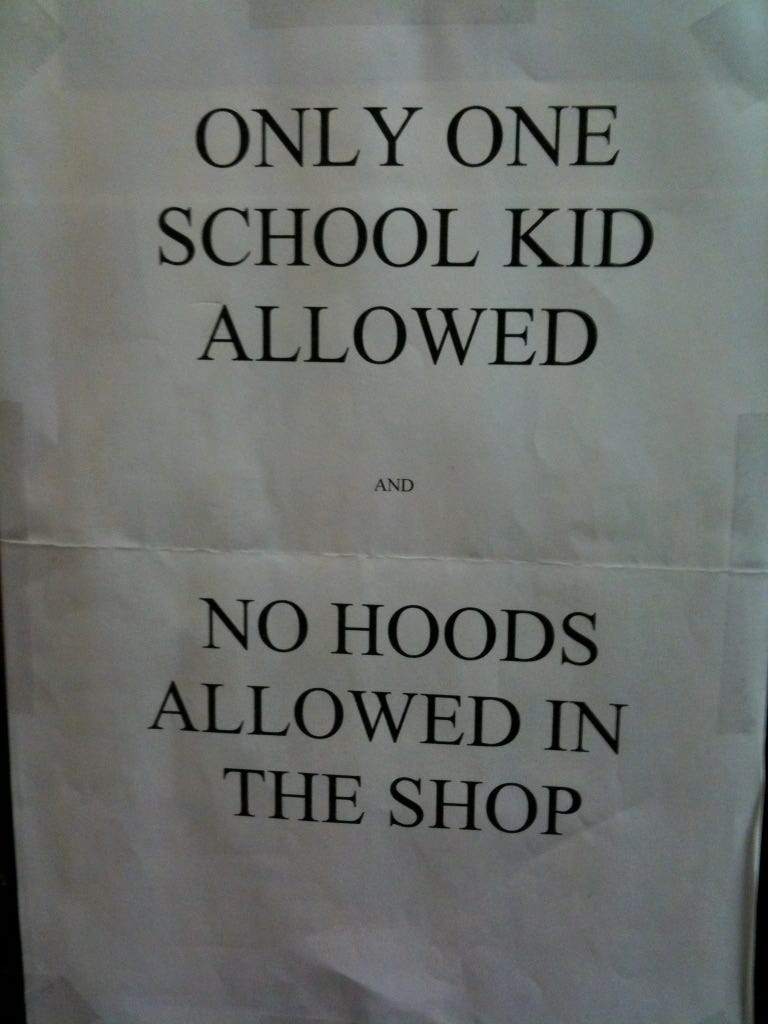
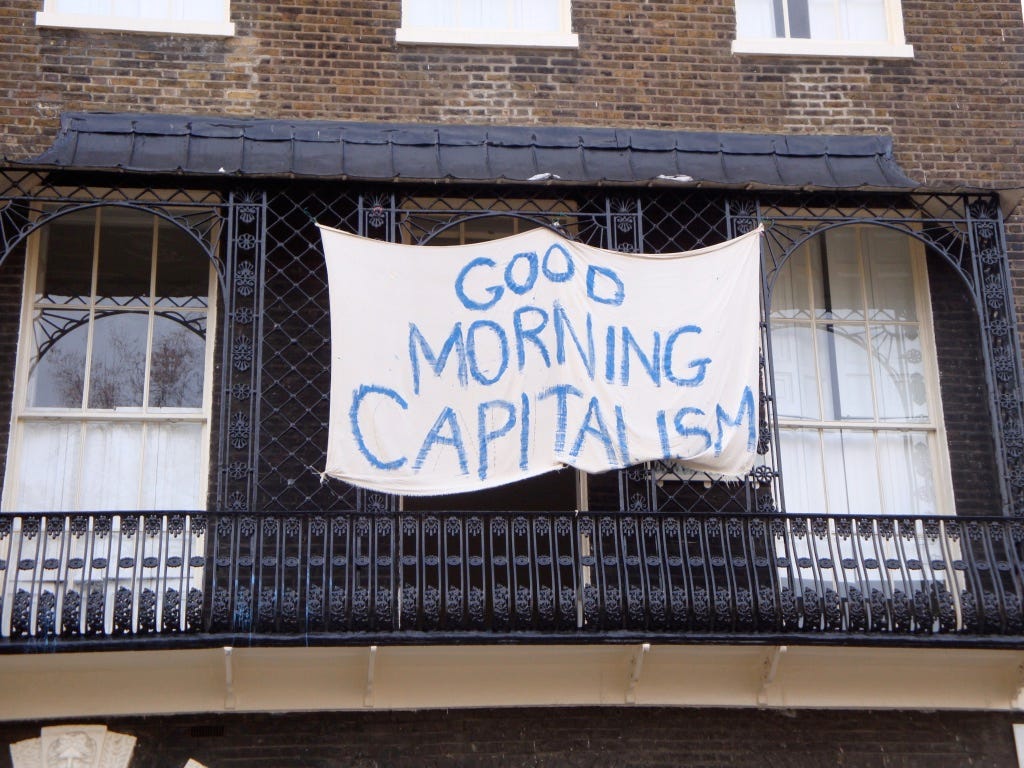
In the last year of my thirties, I set myself to take a photograph every day. Often, the pictures were of the words I saw on the street because I find the collective unconscious they seem to express fascinating (I’ve posted some of them below). It’s perhaps the year of my life I remember most vividly, because the practice forced me to look — to really look at what was going on around me. Of course, I used my phone. But here it was turned back towards looking rather than away from it, which is precisely the point. It was never the device that mattered; it was the looking.
The attention economy has built an entire multi-billion-dollar industry on capturing something that’s easier to define in the negative: it’s easier to notice what’s lost than to say what attention actually is as a lived phenomenon. I can feel when my attention scatters: missing, hijacked, distorted. But what it is in practice is harder to name. Simone Weil has helped me think about it as something like prayer: a quasi-spiritual aspect of consciousness. But intercession, for me, is bound up with the ways religions have colonised and abused their power. Perhaps what we need is a more secular definition of prayer. Prayer as a space of pure consciousness, where the self is suddenly made small by the act of attending — small in the face of the vastness of everything. It’s that vertigo, that humility, that becomes generative in Weil’s sense. Or, to follow Blake, to see a world in a grain of sand.
What this Substack, and my work more generally, tries to articulate is what attention might look like when it’s used generatively. Artists are often on the front line of the attention economy, because attention is exactly the condition that artistic practice requires: a kind of serious looking, a noticing of ourselves and others, of the environment, the culture, the commons. If we are being systematically screened from the phenomenon of living, then attention practices are ways of deliberately removing the screen so that we can see.
The self made small is not a retreat from the world but the only honest way into it. Once the ego stops editing what we see, screening out whatever might cost us, what arrives is not only the world in a grain of sand but the person in front of us, and what they are going through. And you cannot attend to that for long without seeing how unevenly suffering is distributed, how much of it is built. The humility is not quietist. The same emptying that lets us see beauty lets us see injustice — and refuses to look away. Which is why it becomes almost impossible to be an artist and not be political.
None of this is self-optimisation, and I want to be clear about that, because the attention economy has a twin: the productivity-and-wellness industry that sells us the cure for the disease it profits from. Focus apps, dopamine detoxes, morning routines, all of them promising a sharper, more efficient you. But that is still the self as a project to be improved, the self kept firmly at the centre. Radical attention runs the other way. The self made small is the opposite of the self optimised. You don’t attend in order to get more done; you attend to get out of your own way. What it gives back isn’t productivity: it’s the world, including the parts of it that cost something to see.
The practices, then, are an invitation to try new methods, or to formalise old ones in new ways: keeping a notebook by hand rather than typing notes into a phone, a scrapbook rather than a camera roll, or bricking the device altogether and going for a walk without it, unreachable for a few brief hours by the technology. What changes in us when we are returned to the world this way?
Maybe try this today. What do you notice about the fabric of the world as you see it? What’s going on outside your window? On your street? What encounters did you have with people today? When you ordered your coffee, were you also firing off a text, scrolling your phone, or did you pay attention to the person serving you? What attention practices work for you to slow you down and give you room to notice? What do you see?
Below some of the photos I took for Diary 39


Fantastic, thank you, and I love the photographs. They remind me of what Edward Albee saw on a mirror in a bar in NYC, written in soap, (although a writer for the New Yorker said they saw it on the wall of an expresso joint) - Who's Afraid of Virginia Woolf? Using it next week as the focus of a session I'm doing at an education conference. What illusions, fallacies, are we scared of tackling when educating young people who are good with words? Less 'English' and more paying attention to words - thank you.
I'm trying harder to pay attention, focusing in on all the senses too.